The American Society of Mammalogists is pleased to announce the 2025 awardees for the Black and Indigenous Scholars Award. This award is made possible solely from the generosity of private donor-created funds. No membership dues or conference registration fees are used. Our sincere gratitude to the gifts of many.
|
Image
 |
Jennifer White will use the funds to incorporate Raman Spectroscopy into their analyses, allowing them to identify microplastics in Florida’s stormwater systems and trace how these pollutants move into bat populations. Their work will help establish bats as bioindicators and produce some of the first empirical data linking stormwater infrastructure to wildlife exposure. |
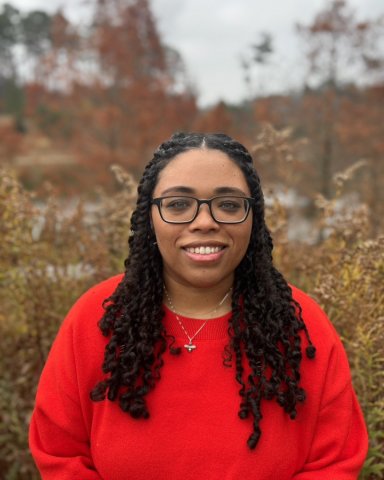
| Desireé Outten-Berríos will use the funds to replace two damaged ultrasonic recording units, essential tools for detecting bat, mouse lemur, and other small mammal calls in Madagascar’s Manombo Reserve and North Carolina’s Duke Forest. These recordings will help them understand how wildlife uses reforested and managed habitats, critical knowledge for their dissertation and future work in biodiversity conservation. |
Image
 |
|
Image
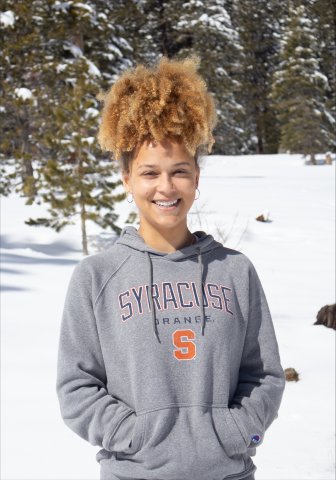 |
Maya Philipp will use the funds to study the diet of humpback whales using stable isotopes, which will advance our understanding of the foraging behavior of marine mammals while contributing to the emerging use of stable isotope-based diet analysis in marine systems. |
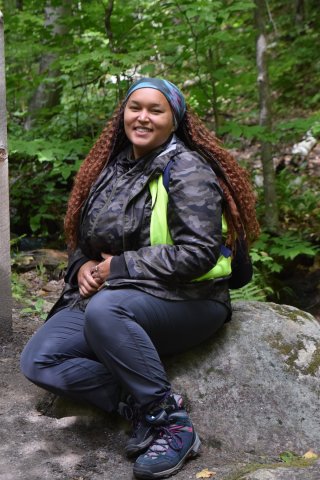
| Alannah Grant will use the funds to purchase a telemetry set that will be used for research and outreach about the ecophysiology and adaptations of urban Eastern gray squirrels. This telemetry set will also be lent to other community groups centered on systemically minoritized communities, in order to enhance outreach and aid in building the capacity needed to diversify the field urban ecology. |
Image
 |
|
Image
 |
Izabelle Jaquet will use the funds to develop and refine a region-specific methodology for determining bat sex from guano as part of the Illinois Natural History Survey. Her work will unlock answers to key questions about cave community dynamics, artificial roost usage, and the identification of maternal roosts. |